


According to data from Towards FnB, the market is projected to grow from a valuation of USD 176.39 million in 2026 to approximately USD 863.43 million by 2035. This expansion represents a strong compound annual growth rate of 19.3 percent over the forecast period, reflecting rising demand and broader acceptance of hemp-derived ingredients across regulated consumer markets.
In 2025, the hemp seed oil market was valued at USD 147.85 million, and its upward trajectory is being driven by increased commercialization and growing confidence among manufacturers and consumers alike. As industries continue to prioritize clean-label, plant-based, and high-quality ingredients, hemp seed oil is emerging as a preferred choice across multiple sectors.
One of the strongest drivers behind this growth is the expanding use of hemp seed oil in cosmetics, personal care products, and food and beverage formulations. Its natural antioxidant properties, nourishing texture, and rich nutritional profile make it especially appealing for skincare and wellness products. At the same time, its high omega-3 content and essential nutrients are boosting demand in nutraceuticals and dietary supplements.
Regionally, North America dominated the hemp seed oil market in 2025, accounting for 42 percent of total market share. However, the Middle East and Africa are expected to experience the fastest growth in the coming years, supported by evolving regulations, rising awareness, and expanding agricultural initiatives.
Recent developments highlight the growing versatility and global relevance of hemp seed oil. In April 2025, US-based industrial hemp producer IND HEMP, in collaboration with the National Hemp Association, announced a nutrition-focused initiative aimed at addressing rising malaria rates through the use of hemp seed oil. Later that year, in December 2025, the Chief Minister of Himachal Pradesh, Sukhvinder Singh Sukhu, launched the “Green to Gold” initiative, repositioning hemp as a valuable industrial and medicinal resource with the goal of transforming the region’s economy by 2027.
Market trends further underline the momentum behind hemp seed oil. Conventional hemp seed oil dominated the market in 2025, although organic varieties are expected to see accelerated growth in the years ahead. Cold-pressed hemp seed oil led by processing method due to its superior nutrient retention, while refined oils are projected to gain traction as applications diversify. From a distribution standpoint, business-to-business channels currently hold the largest share, but direct-to-consumer sales are expected to grow as awareness and accessibility increase.
The rising demand for natural, plant-based alternatives continues to fuel industry expansion. Hemp seed oil’s versatility allows it to be used across personal care, cosmetics, food, beverages, and pharmaceuticals, while its vitamin and omega-3 content supports skin health and immune function. Increasing legalization and simplified cultivation processes are also making it easier for producers to scale operations and introduce new product variations.
Technological advancements are playing a key role in shaping the market’s future. Innovative extraction techniques such as CO₂ extraction, microwave pretreatment, and advanced cold-pressing are helping preserve nutrient integrity and enhance product quality. Precision agriculture is improving strain development, while nanotechnology is increasing bioavailability in edible products. Improved waste utilization and more efficient processing methods are also contributing to a more sustainable and cost-effective supply chain.
Together, these factors position hemp seed oil as one of the most promising plant-based oils in the global market. As Vidyesh Swar, Principal Consultant at Towards FnB, explains, hemp seed oil is no longer viewed as a novelty ingredient. Its strong nutritional profile, growing regulatory support, and alignment with sustainability goals make it one of the most commercially resilient plant-based oils for the decade ahead.
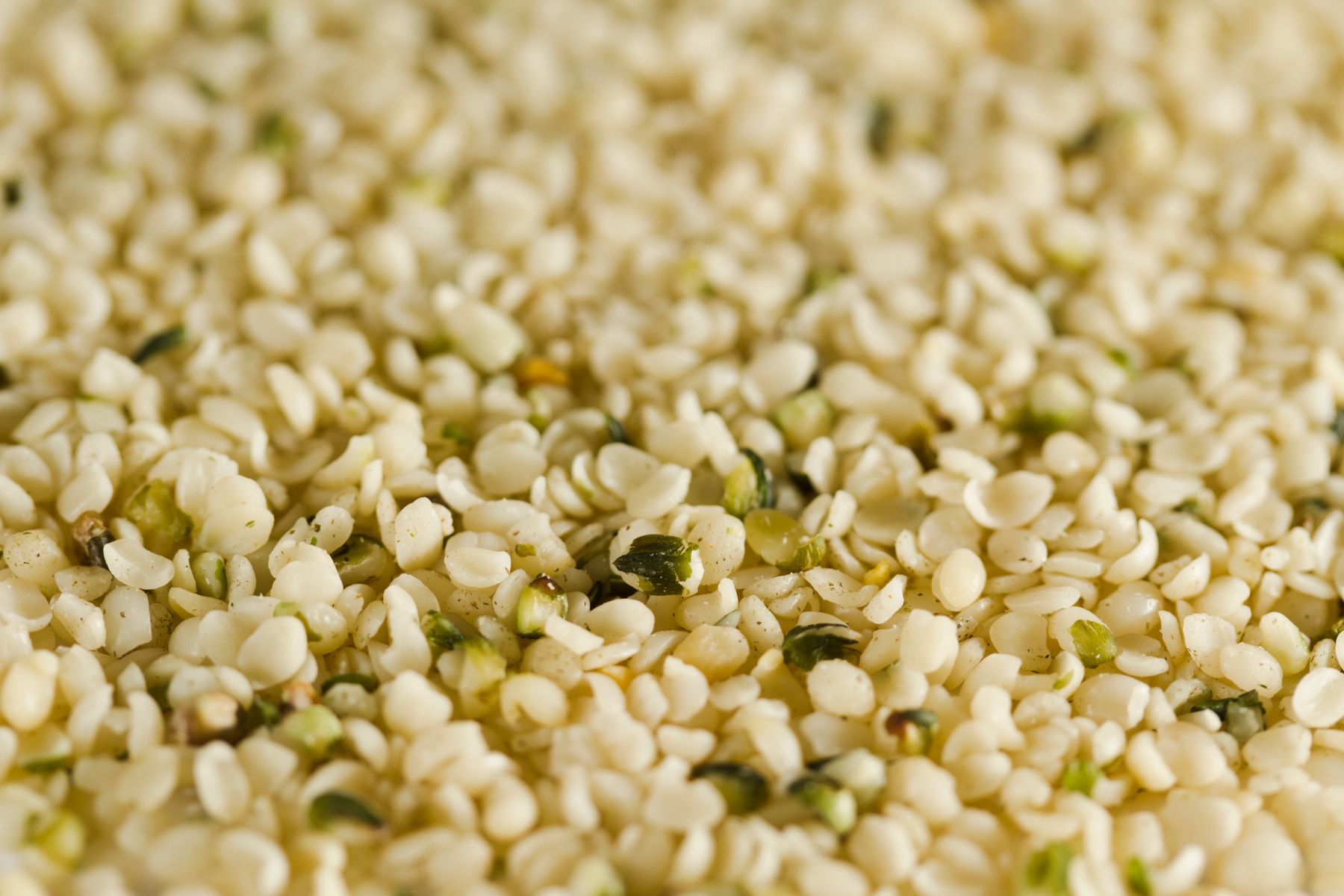
Photo by kjekol from Getty Images
