


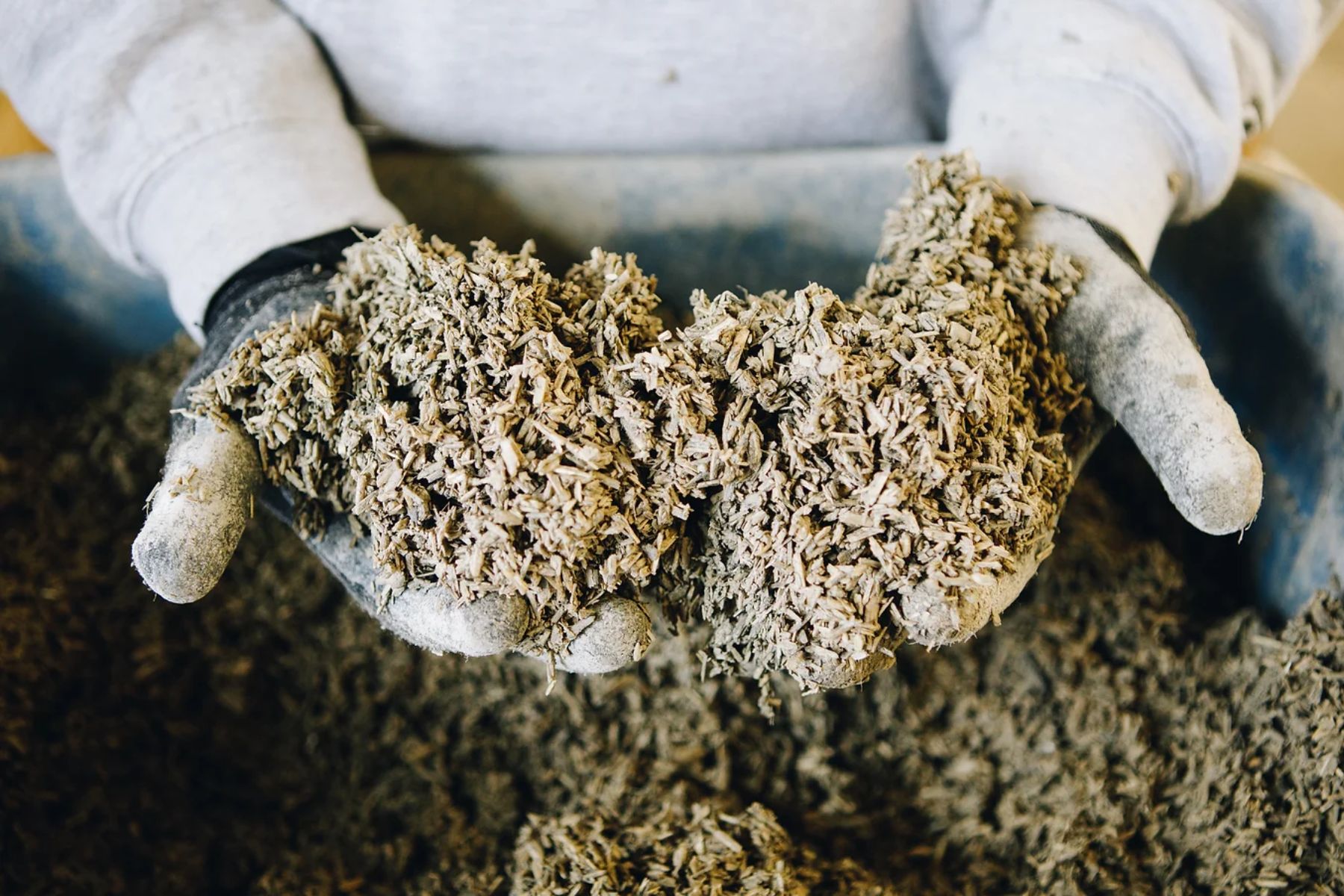
One material gaining attention is hemp, a fast-growing plant that can be transformed into building products such as hempcrete and hemp-fibre insulation. While hemp does not actively cool a home in the way an air-conditioning system does, it can help buildings remain cooler by improving insulation, slowing heat transfer, and regulating indoor conditions.
One of the main ways hemp helps keep homes cooler is through its natural insulating properties. Hemp fibres and hempcrete contain many tiny air pockets that reduce the movement of heat through walls and roofs. During hot weather, this slows the rate at which heat from outside enters the building, helping indoor temperatures remain more stable and comfortable.
Hempcrete, made from hemp hurd combined with lime and water, also has the ability to absorb and release heat gradually. This thermal buffering effect helps prevent rapid temperature changes inside a home. Instead of rooms becoming extremely hot during the day and cooling quickly at night, hemp-based walls can help smooth out these fluctuations by storing some heat and releasing it when conditions become cooler.
Another advantage of hemp is its ability to manage moisture. Hemp-based materials are breathable, meaning they can absorb and release water vapour naturally. By helping regulate humidity levels, hemp can improve indoor comfort because high humidity can make warm temperatures feel more uncomfortable. A home with balanced humidity levels can often feel cooler and healthier.
Using hemp in construction can also reduce the need for energy-intensive cooling systems. A well-insulated home that prevents excessive heat entering during summer may require less use of fans or air conditioning. However, hemp works best as part of a wider approach to building design. Other features, such as external shading, good ventilation, efficient roof insulation, and carefully positioned windows, are also important for preventing overheating.
In the UK, where homes need to cope with both cold winters and increasingly warmer summers, hemp-based materials can offer valuable benefits. Hemp insulation and hempcrete can help retain warmth during colder months while also reducing heat gain during hot periods. This makes hemp a useful option for creating homes that are more energy efficient and comfortable throughout the year.
Although hemp has many advantages, it is not a replacement for active cooling systems in extreme heat. Its performance depends on factors such as building design, insulation thickness, ventilation, and the surrounding climate. Hempcrete is also usually used alongside a structural frame rather than acting as the main load-bearing material.
As interest in sustainable construction continues to grow, hemp is becoming an increasingly attractive natural building material. Its ability to insulate, regulate moisture, and moderate indoor temperatures makes it a promising choice for homes designed to use less energy and provide a more comfortable living environment. While hemp cannot make a house cold on its own, it can help create buildings that stay cooler naturally and perform better in changing climates.
