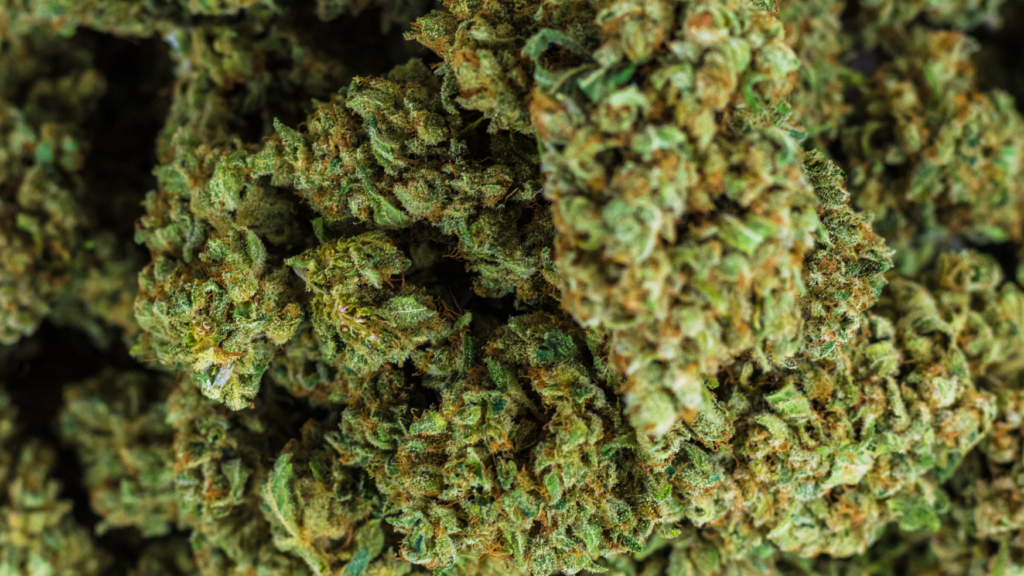


Report shows nearly one in five UK adults have used CBD in the past year
Cannabidiol, commonly known as CBD, has moved from the fringes of alternative wellness into the mainstream of British consumer life.

Cannabidiol, commonly known as CBD, has moved from the fringes of alternative wellness into the mainstream of British consumer life.
In the past decade, hemp, a low-THC variety of Cannabis sativa, has shifted from a marginal agricultural crop to a focal point in international legal debates. From industrial cultivation and fibre markets to cannabidiol (CBD) wellness products, policymakers are grappling with how to regulate hemp and its derivatives.
Let’s talk about hemp. No, not the “get-you-high” kind of hemp—that’s cannabis, and it’s a whole different conversation. I’m talking about good ol’ industrial hemp, the unsung hero of eco-friendly farming and sustainable products.
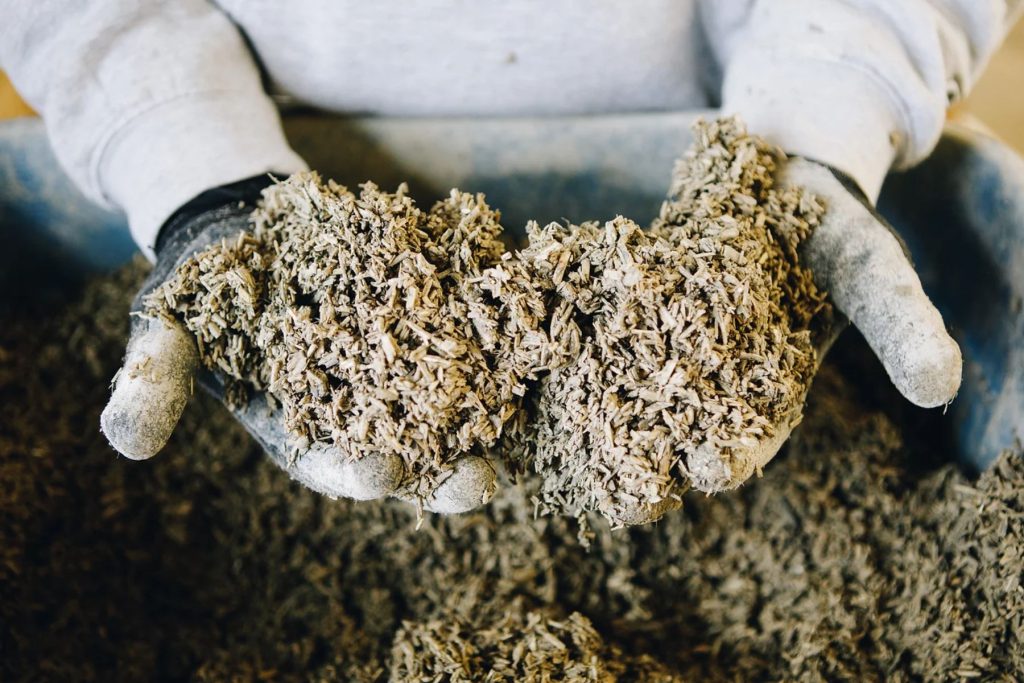
Hemp might just be the unsung hero of the construction industry, with a new German report suggesting it can store carbon dioxide (CO2) as efficiently as wood.
CBD, or cannabidiol, has gained popularity for its potential therapeutic benefits and its purported ability to promote overall well-being.
In recent years, the quest for sustainable building materials has led to the emergence of innovative alternatives to traditional construction materials.
In recent years, CBD (cannabidiol) has exploded onto the wellness scene, marketed as a cure-all for everything from anxiety to chronic pain.
Joint pain is a common ailment that can significantly impact one’s quality of life, affecting mobility and overall well-being. As people seek alternative remedies, the spotlight has turned to cannabidiol (CBD), a compound derived from the cannabis plant. The question arises: Is CBD good for joint pain? Let’s delve into the research and explore the therapeutic potential of CBD in alleviating joint discomfort.
Hemp, often hailed as a versatile plant, is gaining recognition not only for its industrial applications but also for its remarkable environmental benefits.
CBD oil, derived from the hemp plant, has surged in popularity as a natural remedy for various ailments. Cannabidiol (CBD), a non-psychoactive compound found in cannabis, has been the subject of extensive research, revealing numerous potential benefits. Here, we explore five advantages and applications of CBD oil, while also shedding light on potential side effects.