


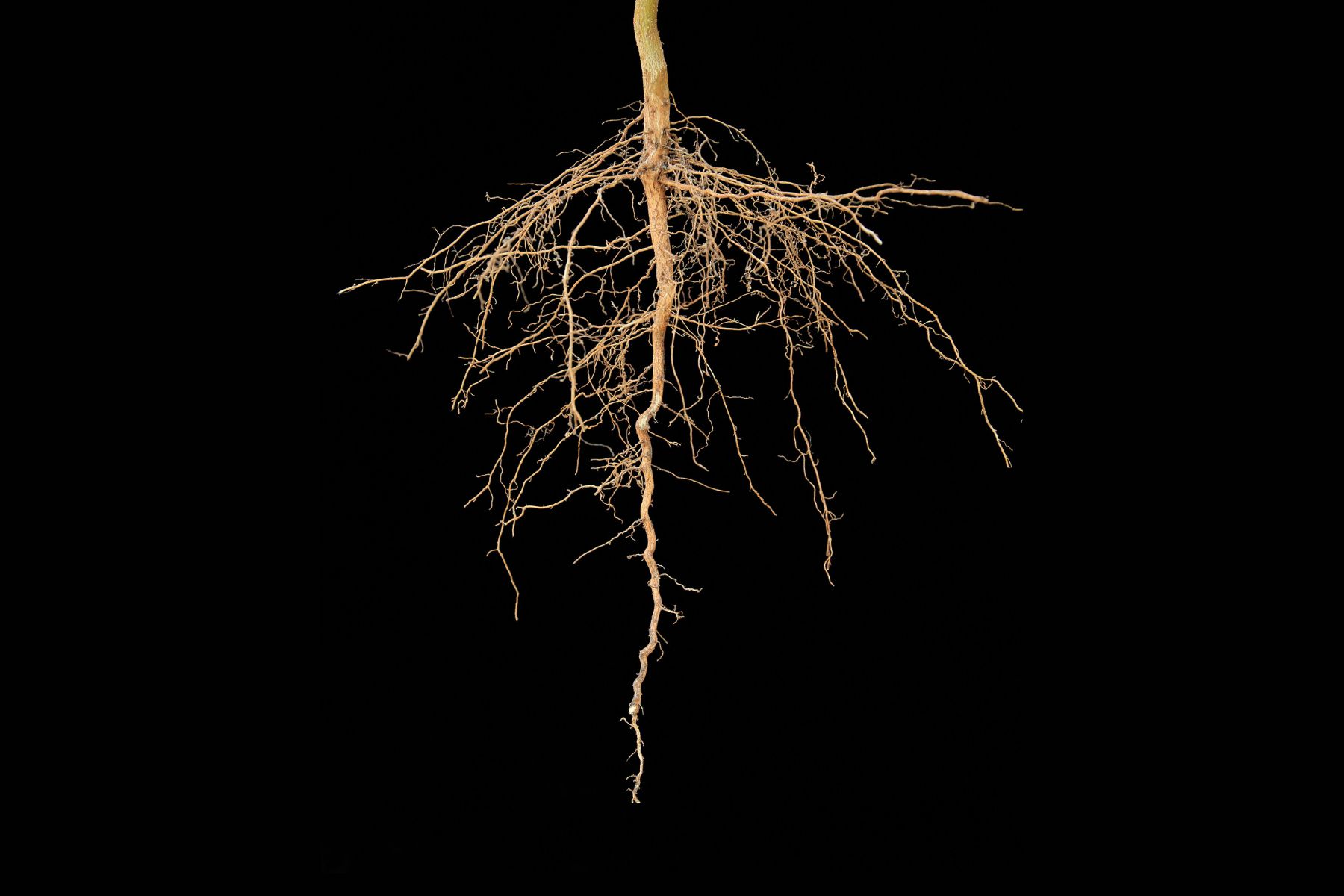
In a recent study conducted by the USDA’s Agricultural Research Service, researchers uncovered previously unknown value in hemp roots, a part of the plant that has long been ignored and left unused.
Industrial hemp, scientifically known as Cannabis sativa L., is already well known for its aboveground benefits. Its fibres are used in textiles and construction materials, while its grain provides protein and oil for food and wellness products. Until now, however, the roots were considered biologically unremarkable and commercially irrelevant.
That assumption changed when Dr. Korey Brownstein, a research chemist at the National Center for Agricultural Utilization Research in Peoria, Illinois, noticed an unusual signal while analysing the chemical makeup of hemp roots. What initially appeared as an anomaly quickly turned into a compelling lead. Brownstein and his team decided to investigate further, determined to understand exactly what they were seeing.
Their work revealed something remarkable. The mysterious substance turned out to be a group of four distinct compounds that researchers identified as neolignans, a class of naturally occurring molecules formed during plant growth. While similar compounds have been found in other plants, including paper mulberries and certain trees native to Southeast Asia, this marked the first time neolignans had ever been isolated from hemp roots.
Isolating and purifying the compounds was no simple task. The research team spent three years carefully separating the molecules, a process they described as both complex and increasingly challenging. Their persistence paid off when the potential significance of the compounds became clear.
To better understand their biological activity, the USDA researchers partnered with scientists at the Pediatric Oncology Laboratory at the University of Illinois College of Medicine Peoria. In laboratory studies, the team found that the neolignans showed moderate cytotoxic activity against pediatric cancer cells, meaning they were able to kill cancer cells under controlled conditions. While this research is still in its early stages, it opens the door to new treatment possibilities, particularly for childhood cancers that do not respond well to existing therapies.
Beyond the medical implications, the discovery could also transform the economics of hemp farming. According to Brownstein, the findings offer growers a potential new revenue stream from a part of the plant that was previously discarded. By unlocking value in the roots, hemp could evolve into a truly multi-use crop.
Unlike traditional crops such as corn or soybeans, which already support multiple markets, hemp’s commercial applications have historically been more limited. Brownstein believes that viewing hemp as a whole plant resource changes that equation. Fibre, grain, paper, and now potentially pharmaceutical compounds derived from roots could significantly expand the plant’s market potential.
The study, published in the Journal of Cannabis Research, represents the first documented link between hemp-derived neolignans and cytotoxic effects on pediatric cancer cell lines. It also signals a shift in how researchers and policymakers may evaluate the full value of industrial hemp.
Looking ahead, the research team plans to scale up extraction efforts and conduct larger, more controlled studies. Future research will examine how these compounds interact with a wider range of cancer cell lines to better assess their therapeutic potential.
For Brownstein, the discovery is about more than chemistry. It is about reimagining what industrial hemp can be. By finding value in every part of the plant, he says, researchers can help create greater stability for farmers while opening new scientific and medical frontiers.
As hemp continues to emerge as a versatile and sustainable crop, this unexpected discovery beneath the soil may prove to be one of its most important contributions yet.
Photo by foto76 from Getty Images
