


Republican Rep. Jim Baird filed the bill, H.R. 7010, earlier this week, according to reporting from Marijuana Moment. The proposal would delay the implementation of a controversial hemp THC ban that was quietly approved as part of a must pass spending bill late last year.
That ban was included in the appropriations package Congress passed in November to bring an end to the 2025 federal government shutdown. Buried within the legislation were provisions targeting hemp derived products such as delta eight THC and THCA, along with changes to how hemp is defined under federal law. As written, the restrictions are scheduled to take effect one year after the funding bill’s passage.
Under the new rules, hemp products would be limited to no more than 0.4 milligrams of delta nine THC per package. This marks a sharp departure from the 2018 Farm Bill, which legalized hemp containing up to 0.3 percent delta nine THC by dry weight. Critics say the change effectively criminalizes a wide range of federally legal products and threatens the survival of the twenty eight billion dollar hemp industry.
Baird’s legislation seeks to slow that timeline. If passed, it would delay enforcement of the hemp THC ban until 2028, giving farmers, processors, and retailers additional time to adjust. The bill itself is brief, spanning just two pages, and makes a straightforward amendment by replacing the current 365 day implementation window with a three year delay.
“Planting and growing crops requires planning well in advance,” Baird said in a statement announcing the bill. “Congress created a regulatory environment in the 2018 Farm Bill that allowed for certain investments, and farmers were operating within this environment. The hemp provision included in the continuing resolution and appropriations bills passed in November 2025 disrupted planting decisions that had already been made.”
He added that Congress moved too quickly on a policy shift with far reaching consequences. “Congress should not have passed such a sweeping policy change that upends a growing industry,” Baird said. “Farmers deserve predictability and sufficient time to adjust to new laws that affect their livelihood.”
The bill has already gained bipartisan support. Four lawmakers have signed on as co sponsors, including Republican Reps. James Comer of Kentucky, Gabe Evans of Colorado, and Tim Moore of North Carolina, as well as Democratic Rep. Angie Craig of Minnesota.
Comer, who chairs the House Oversight and Accountability Committee, called the proposal a practical solution. “This common sense extension gives farmers and America’s hemp industry the time they need to adapt while Congress works to establish a clear and reasonable regulatory framework,” he said.
Craig echoed those concerns, pointing to the impact on small businesses in her state. “Recent changes to hemp production and processing regulations pulled the rug out from under Minnesota’s hemp producers, craft brewers, and retailers,” she said, noting that many are already dealing with high costs and economic uncertainty. Minnesota’s hemp industry alone is valued at roughly two hundred million dollars.
The legislation is also receiving strong backing from industry advocates. U.S. Hemp Roundtable General Counsel Jonathan Miller said the proposal has united hemp operators nationwide.
“The entire hemp industry is united behind passage of H.R. 7010,” Miller said in an email. “An extension is critical to give farmers certainty about future crops and to provide enough runway for Congress to develop and implement a clear and workable regulatory framework.”
Justin Swanson, president of the Midwest Hemp Council, agreed, saying the delay would bring much needed stability to an industry caught in regulatory limbo. “This extension gives farmers the certainty they need to make planting decisions with confidence,” Swanson said. “Congressman Baird understands that hemp farmers cannot operate in an environment of constant uncertainty.”
As the debate over hemp derived THC continues in Washington, Baird’s bill could determine whether the industry faces a sudden disruption or gains the time it needs to adapt, evolve, and survive.
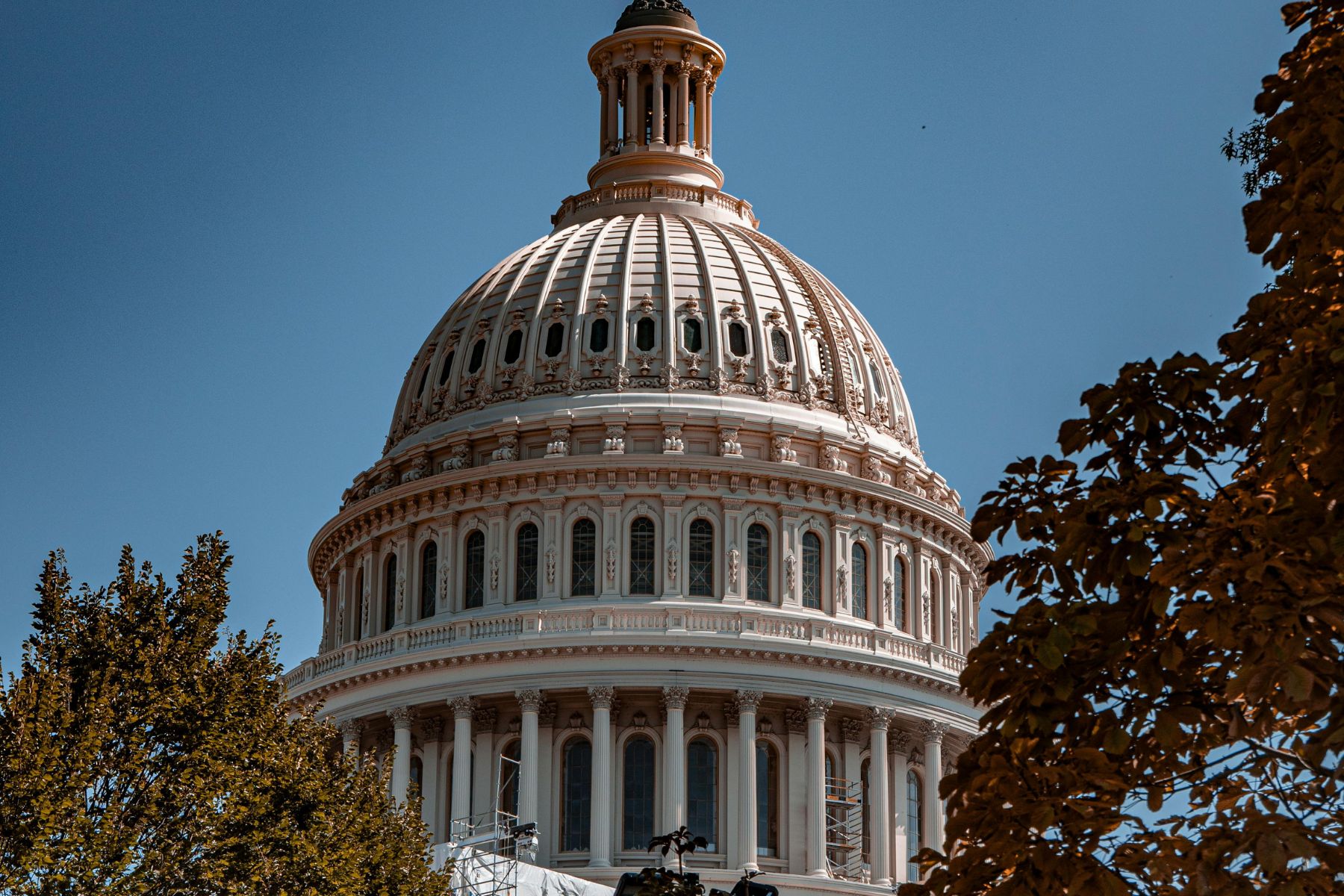
Photo by Lacza from Pexels
