


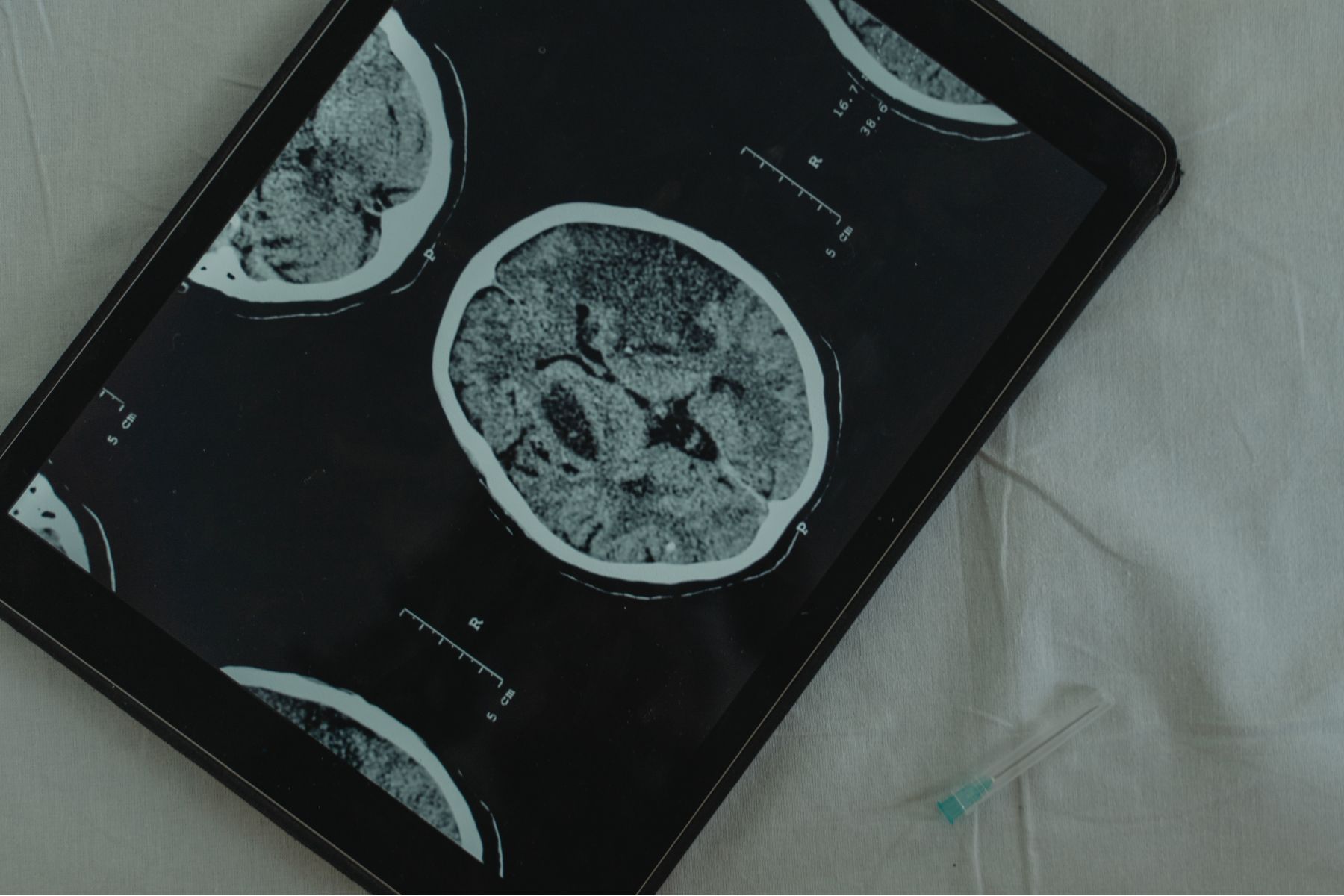
But scientists are increasingly turning their attention to another suspect—one that may be quietly fueling the damage behind the scenes: chronic inflammation in the brain.
Now, new research suggests that cannabidiol (CBD), a non-intoxicating compound derived from cannabis, could help calm this destructive inflammatory response, opening the door to a potential new strategy for tackling Alzheimer’s disease.
Alzheimer’s is the most common form of dementia, gradually eroding memory, thinking abilities, and behavior. While protein plaques and tangles remain central to the disease, researchers are discovering that the brain’s immune system may play a much larger role than previously thought.
Under normal circumstances, immune cells in the brain act like a cleanup crew. They protect neurons, remove debris, and help maintain healthy brain function. But when these cells become overactive for long periods, they can trigger a state known as neuroinflammation.
Instead of protecting the brain, the immune system begins attacking healthy tissue, creating a cycle of damage that may accelerate Alzheimer’s progression.
In a study published in eNeuro, researchers led by Babak Baban of Augusta University set out to investigate whether CBD could help interrupt this harmful process.
Using a well-established mouse model of Alzheimer’s disease, the team administered CBD through inhalation and examined its effects on the central nervous system, including the brain and spinal cord.
Through a series of molecular and genetic analyses, the researchers found that CBD reduced the activity of several key drivers of neuroinflammation. Levels of pro-inflammatory molecules—substances that can intensify inflammation and contribute to tissue damage—also declined after treatment.
Even more intriguing, the scientists identified multiple immune-related pathways influenced by CBD, suggesting the compound may affect several biological systems linked to Alzheimer’s disease rather than targeting a single mechanism.
According to Baban, the findings reinforce a growing shift in Alzheimer’s research.
“Alzheimer’s work has long centered on plaques and tangles,” he explained. “But our study shows that chronic autoinflammation is also a core driver of the disease.”
What makes CBD particularly interesting, he noted, is its apparent ability to act on more than one front. Previous research from the team suggested that CBD may also help reduce plaque and tangle accumulation through separate biological pathways.
Taken together, these findings hint at something researchers have been seeking for years: a multitarget treatment approach.
Because Alzheimer’s involves a complex web of changes—including inflammation, protein buildup, immune dysfunction, and neuron loss—many scientists believe future therapies will need to address several processes simultaneously rather than focusing on just one.
While the results are exciting, there is an important caveat: the research was conducted in mice, not humans.
Many treatments that show promise in animal studies ultimately fail to produce the same benefits in clinical trials. Before CBD could be considered a viable Alzheimer’s therapy, researchers will need to conduct extensive human studies to evaluate its safety, effectiveness, and optimal dosing.
Still, the study adds to a growing body of evidence suggesting that controlling brain inflammation could become a critical piece of the Alzheimer’s puzzle.
As scientists continue searching for ways to slow or stop this devastating disease, CBD’s ability to quiet the brain’s overactive immune response may offer a promising new avenue worth exploring.
Photo by Tima Miroshnichenko from Pexels
